Expense tracking is simple in theory: record what you spend. In real life, it falls apart because the moment of spending is busy. You are leaving a shop, ordering food, splitting a bill, or getting into a car.
That is why input speed matters. If tracking takes longer than the purchase, people stop doing it.
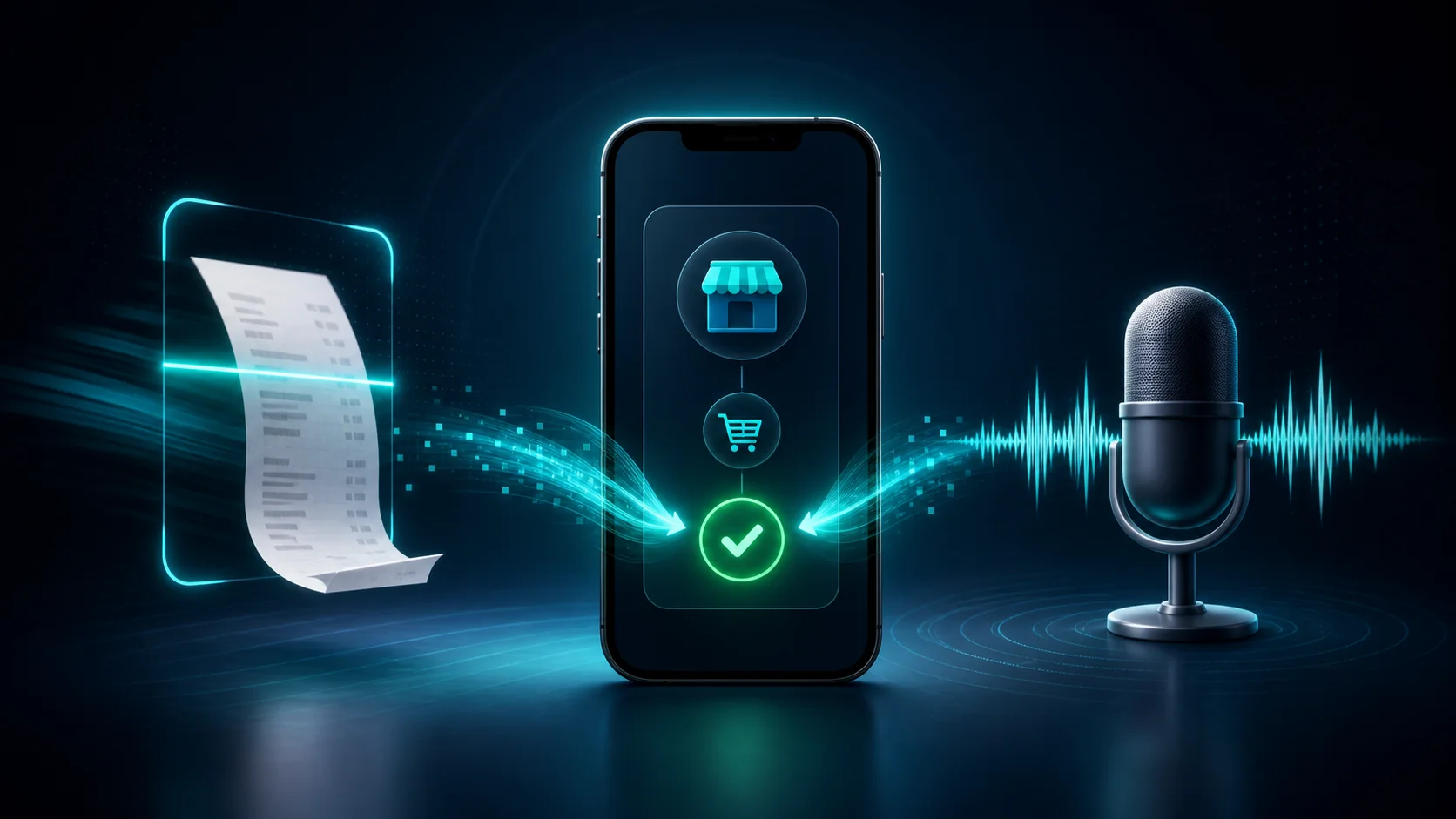
Receipt scanning removes the typing
A receipt already contains the amount, merchant, date, and line items. Lumy can read a photo or screenshot and prepare the transaction for you. You review the result, confirm it, and move on.
Voice input is faster on the go
When typing is inconvenient, voice is often the most natural interface. Say "I paid 18 for lunch today" and the assistant can create the transaction, choose a category, and save it to the right place.
Automation still needs review
Fast does not mean careless. Financial records should be visible before they are trusted. Lumy's confirmation cards let you check the amount, merchant, date, category, and payment method before saving.
Small moments create accurate reports
The quality of a finance dashboard depends on the quality of the input. Receipt scanning and voice tracking make the input easy enough that your reports, budgets, and savings forecasts stay useful.
The habit is the product
A finance app becomes valuable when it fits into daily life. The less friction there is at the moment of spending, the more accurate your money picture becomes.